

About Us
Lorem ipsum dolor sit amet, consectetur adipi Suspendisse ultrices hendrerit nunc vitae vel a sodales. Ac lectus vel risus suscipit venenatis. Morbi dignissim mi non dui phaedrum ullamcorper.

Hirtenstraße 19, 10178 Berlin, Germany

+49 30 24041420

ouroffice@any.com

Follow Us
any
0
  • No products in the cart.

video Tag

How to Make a Film Resume

Types of Resumes One of the most unsung differences between the film & video industry and most other career paths is how resumes are formatted and presented. Since this is a visual medium--and most professionals have had at least some freelance experience that isn't considered a 'typical' job--our industry resumes can look quite different. And to top that off, each job within the video industry will have different expectations for how your resume should look. For example, a graphic designer's resume will look much different than a corporate producer's resume, and that will differ from a freelance DP's resume. In general, there are 4 types of resumes you can choose from. Professional Experience Resume - This is, essentially, a 'traditional' resume. It lists jobs you've held in the past, the responsibilities contained within, starts with an Objective statement and is easy for big corporate A.I. resume readers to auto-read. These resumes are typical for bigger production companies or corporations looking to hire 'producers' or 'videographers' in-house. 2. Credits Resume - Ever seen an acting resume? This is the same idea; list your professional credits and other pertinent information such as training, education, and awards. Typically used for jobs hiring professionals on a project-by-project basis or specific, dedicated positions such as DPs or Directors. This is the type of resume used in the film/television crew world, where they want to hire people with experience in certain positions. A showrunner has no need to see a traditional resume for a PA, they just want to know you've been on set and can do the job. Your credits do the talking for you. 3. Hybrid Resume - Combines aspects of the Professional Experience resume along with a list of credits. Typically used by folks who've held traditional "jobs" but also have impressive credits or projects they've worked on, such as if you were an in-house DP for a number of years, but also filmed 2 feature films outside of your "day job." If you're fancy, you may hear this referred to as your Curriculum Vitae or CV. 4. Infographic Resume - Essentially, these highly-art-directed resumes contain all the relevant information,...

How to Make a Demo Reel

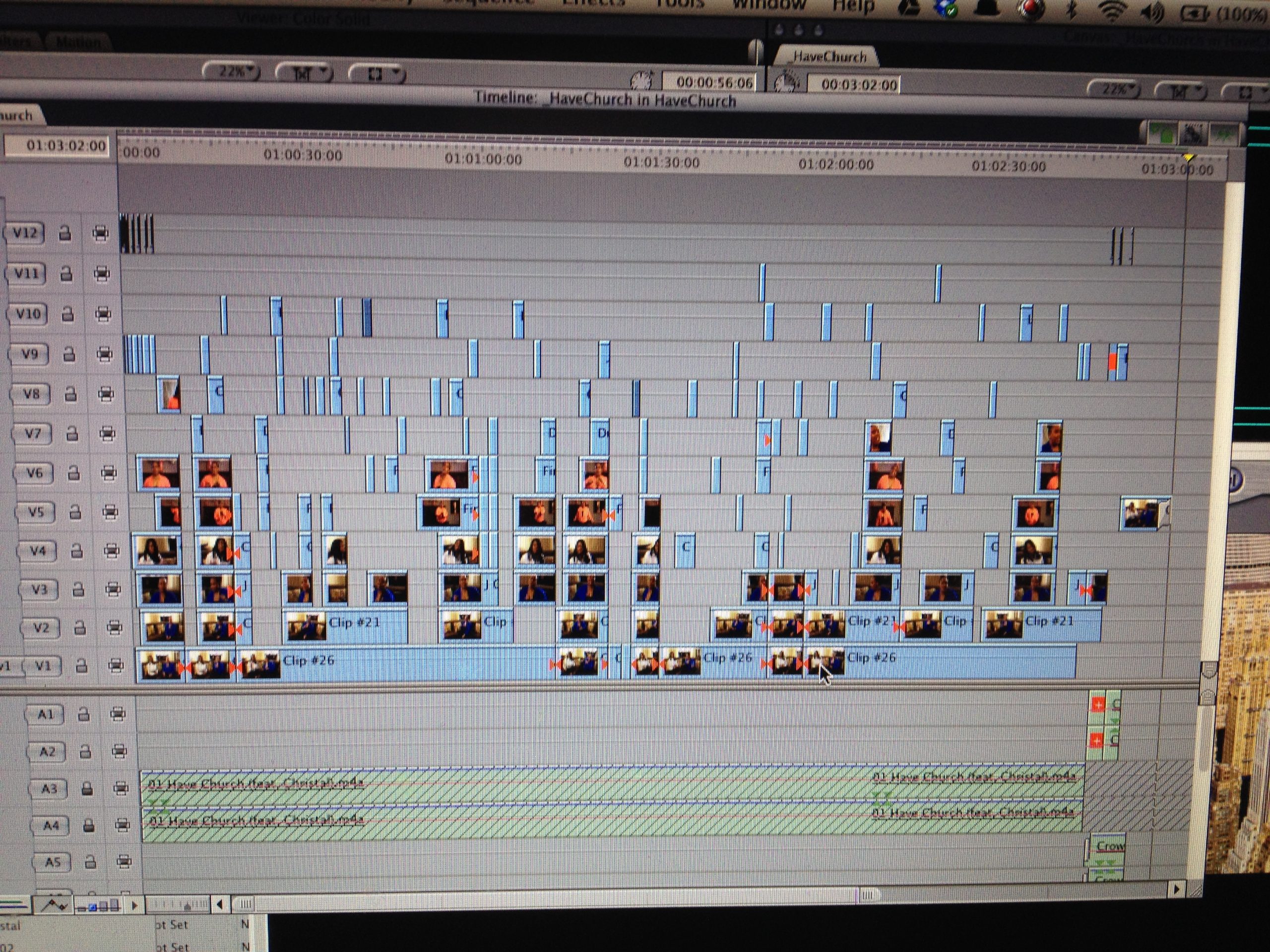
People ask me all the time about that one little super-important thing that every production or post-production person should have, and since I’m not one to turn people away when they’re curious about the world’s best profession – ahem – I wanted to address the basics of the demo reel. Seriously, though, this is for you because I love talking to people about the process. Even if you already have a reel, I’ll discuss different tips and tricks to take your reel to the next level. So keep your eyes peeled and your Avids primed, here’s how to create a killer reel. What is a demo reel? A demo reel, reel, sizzle reel, show reel, or whatever else you’d like to call it, is essentially a moving portfolio of your film/video/graphics/animation work. Traditional artists and painters are expected to have a portfolio, and digital artists and filmmakers are no different. Your demo reel is your personal commercial for the work you’ve done. In short, it’s a trailer for about you. Employers, production companies, agents, and other parties interested in using your services often ask to see what you can do. This is your chance to show them. A reel should not be confused for a portfolio, which is different. A portfolio is a collection of many pieces of work you've created. A demo reel is one piece of work composed of the best bits from all of your projects. Why do you need a reel? You need a demo reel because no one believes you when you say “I’m a really good filmmaker/editor/animator/whatever”. Rule numero uno about the production world is, “show don’t tell”, and that’s exactly what a demo reel should do. In order to show future employers, clients, or jealous friends how good you are at your particular skill (directing, producing, editing, graphic design, animation, even acting), you need a reel that displays your work. Many employers won’t even consider candidates without a reel of some kind, and consider it just as important – if not moreso – than your resume. How do you make one? There are millions of ways to imagine and compose a demo reel....